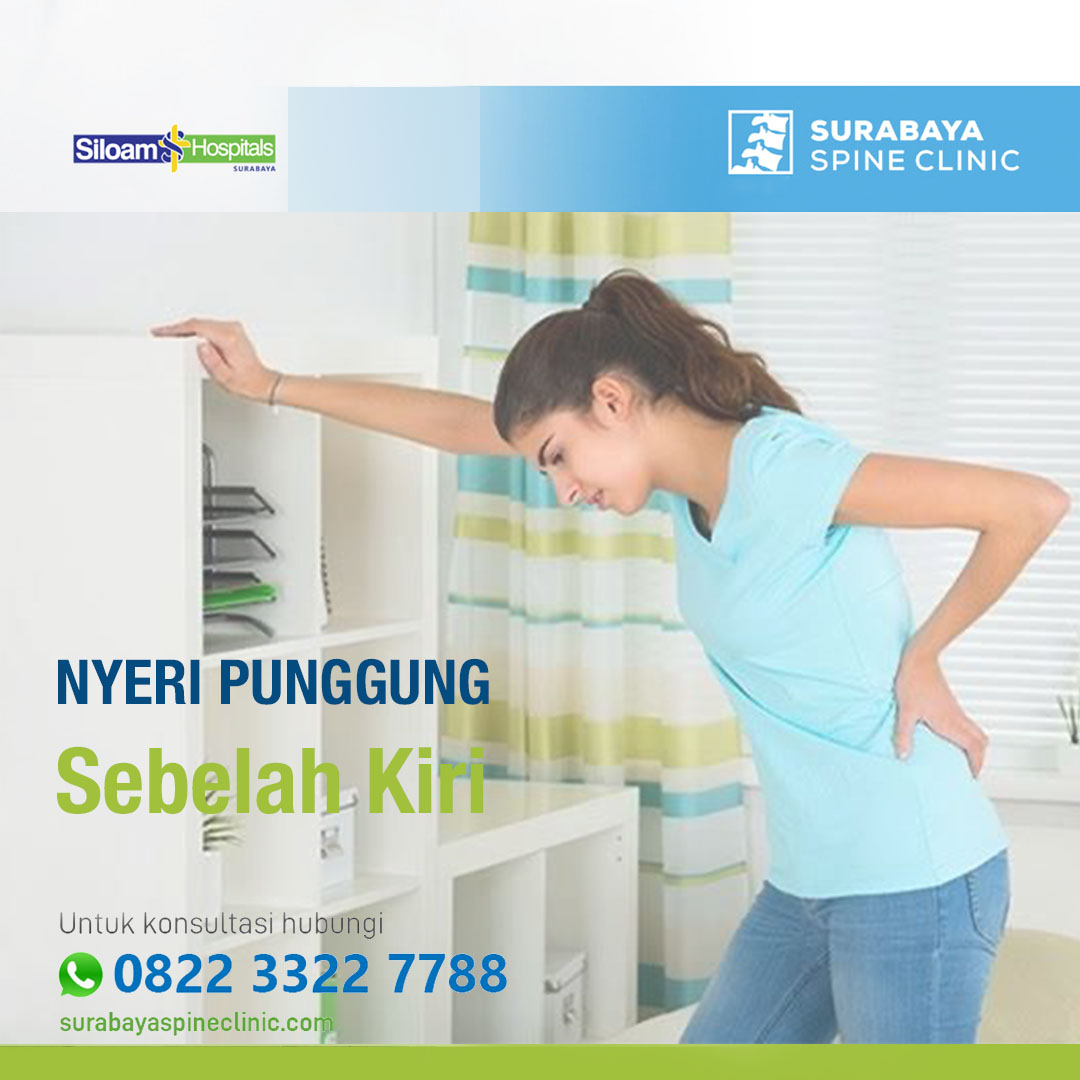
Are you a woman experiencing left back pain and wondering what could be causing it? You're not alone. Left back pain is a common complaint, and understanding its underlying causes is crucial for effective treatment. In this article, we will delve into the hidden link between left back pain and women's health.
While there can be numerous reasons for left back pain, some specific factors tend to affect women more than men. Hormonal changes during the menstrual cycle, pregnancy, and menopause can all contribute to left back pain in women. Additionally, anatomical differences in the female body, such as wider hips and increased curvature of the spine, can also play a role.
By understanding the causes of left back pain in women, you can take proactive steps to manage and alleviate your discomfort. From lifestyle modifications to targeted exercises and therapies, there are various options available to address the specific needs of women experiencing left back pain.
Join us as we uncover the hidden link between women and left back pain, and discover effective strategies for finding relief and improving your overall well-being.
Common causes of left back pain
One of the most common causes of left back pain in women is muscle strain or tension. The back muscles, particularly the erector spinae and latissimus dorsi, can become strained due to overuse, poor posture, or sudden movements. Women may be more prone to these types of muscular issues due to the increased flexibility and range of motion in their spines, as well as the increased curvature of the lumbar region.
Another common cause of left back pain in women is the presence of trigger points, or sensitive areas within the muscles that can refer pain to other parts of the body. These trigger points can develop as a result of muscle overuse, tension, or injury, and can be particularly problematic for women who engage in activities that require repetitive motions or heavy lifting.
In addition to muscular causes, left back pain in women can also be attributed to issues with the spine, such as herniated or bulging discs, spinal stenosis, or degenerative disc disease. These spinal conditions can put pressure on the nerves, leading to pain, numbness, or tingling in the left side of the back. Women may be more susceptible to these types of spinal issues due to the increased curvature of the spine and the additional stresses placed on the back during pregnancy and childbirth.
Muscular causes of left back pain
One of the most common muscular causes of left back pain in women is tension or strain in the erector spinae muscles. These muscles, which run along the length of the spine, can become overworked and inflamed due to poor posture, repetitive movements, or sudden injuries. Women may be more prone to erector spinae strain due to the increased curvature of the lumbar spine, which can place additional stress on these muscles.
Another muscular cause of left back pain in women is trigger points in the latissimus dorsi muscle. This large muscle, which runs from the upper back to the armpit, can develop sensitive areas that refer pain to the left side of the back. Women may be more susceptible to latissimus dorsi trigger points due to the increased flexibility and range of motion in their upper bodies, as well as the additional stress placed on this muscle during activities such as carrying heavy bags or purses.
In some cases, left back pain in women can also be caused by tension or strain in the quadratus lumborum muscle. This muscle, which runs from the lower back to the top of the hip, can become tight or overworked due to activities that require bending or twisting of the torso. Women may be more prone to quadratus lumborum issues due to the increased curvature of the spine and the additional stresses placed on the lower back during pregnancy and childbirth.
Spinal causes of left back pain
One of the most common spinal causes of left back pain in women is a herniated or bulging disc. These disc issues can occur in the lumbar (lower back) region and can put pressure on the nerves, leading to pain, numbness, or tingling in the left side of the back. Women may be more susceptible to disc problems due to the increased curvature of the spine, as well as the additional stresses placed on the back during pregnancy and childbirth.
Another spinal cause of left back pain in women is spinal stenosis, a condition in which the spinal canal narrows, putting pressure on the nerves. This can be particularly problematic in the lumbar region, where the nerve roots that supply sensation to the left side of the back are located. Women may be more prone to spinal stenosis due to the increased curvature of the spine and the natural aging process, which can lead to the gradual narrowing of the spinal canal.
Degenerative disc disease is another spinal condition that can contribute to left back pain in women. As the discs between the vertebrae wear down and lose their cushioning ability, the bones can rub against each other, leading to pain and inflammation. Women may be more susceptible to degenerative disc disease due to hormonal changes, such as those that occur during menopause, which can affect the health and integrity of the discs.
Kidney-related causes of left back pain
While less common than muscular or spinal causes, left back pain in women can also be attributed to issues with the kidneys. One potential kidney-related cause of left back pain is a kidney stone, which can cause severe pain in the left side of the back as the stone passes through the urinary tract.
Another kidney-related cause of left back pain in women is a kidney infection, or pyelonephritis. This condition can cause inflammation and swelling of the kidneys, leading to pain in the left side of the back. Women may be more prone to kidney infections due to their shorter urethras and the proximity of the urinary tract to the vagina, which can make it easier for bacteria to enter the urinary system.
In rare cases, left back pain in women can also be a symptom of a more serious kidney condition, such as a kidney tumor or polycystic kidney disease. While these conditions are less common, it is important for women experiencing persistent or unexplained left back pain to consult with a healthcare provider to rule out any underlying kidney-related issues.
Gynecological causes of left back pain
One of the most common gynecological causes of left back pain in women is endometriosis. This condition, in which the tissue that normally lines the inside of the uterus grows outside of the uterus, can cause inflammation and scarring that can lead to left back pain. Women with endometriosis may experience a dull, aching pain in the left side of the back, particularly during their menstrual cycles or during sexual intercourse.
Another gynecological cause of left back pain in women is uterine fibroids, which are non-cancerous growths that develop in the uterus. Depending on their size and location, these fibroids can put pressure on the surrounding structures, including the back, leading to left-sided pain. Women with larger or more numerous fibroids may be more likely to experience this type of back pain.
In some cases, left back pain in women can also be a symptom of pelvic inflammatory disease (PID), a condition in which the female reproductive organs become infected and inflamed. PID can cause a range of symptoms, including left-sided back pain, and is more common in women who have had multiple sexual partners or have a history of sexually transmitted infections.
Other possible causes of left back pain
While the causes mentioned above are some of the most common reasons for left back pain in women, there are also other potential factors that can contribute to this condition. For example, certain lifestyle factors, such as poor posture, lack of physical activity, or carrying heavy bags or purses, can all lead to left back pain by placing additional stress on the muscles and spine.
In some cases, left back pain in women may also be a symptom of a more systemic condition, such as rheumatoid arthritis or ankylosing spondylitis, which are autoimmune disorders that can affect the joints and spine. Additionally, certain neurological conditions, such as sciatica or pinched nerves, can also cause left-sided back pain by affecting the nerves that run through the lower back and into the legs.
It is important to note that the causes of left back pain in women can be complex and multifactorial, and that a combination of factors may be contributing to an individual's pain. A comprehensive evaluation by a healthcare provider is often necessary to determine the underlying cause and develop an appropriate treatment plan.
Diagnosis and treatment options for left back pain
When a woman experiences left back pain, the first step in the diagnostic process is a thorough medical history and physical examination. The healthcare provider will ask about the nature and duration of the pain, as well as any associated symptoms, such as numbness, tingling, or weakness. They will also perform a physical examination, which may include palpation of the back muscles, assessment of range of motion, and neurological testing.
Depending on the suspected cause of the left back pain, the healthcare provider may order additional diagnostic tests, such as imaging studies (e.g., X-rays, MRI, or CT scans) to evaluate the spine and surrounding structures. Blood tests may also be ordered to check for any underlying medical conditions that could be contributing to the pain.
Once the underlying cause of the left back pain has been identified, the healthcare provider will develop a treatment plan that is tailored to the individual's needs. This may include a combination of conservative treatments, such as:
Massage therapy or other soft tissue treatments to address muscular issues
Lifestyle modifications, such as improving posture, losing weight, or reducing stress
more severe cases, surgical interventions may be recommended, such as spinal decompression surgery or minimally invasive procedures to address disc or spinal issues.
It is important for women experiencing left back pain to work closely with their healthcare provider to find the most effective treatment plan for their individual needs. With the right combination of therapies and lifestyle changes, many women are able to find relief from their left back pain and improve their overall quality of life.
Preventive measures for left back pain
In addition to seeking appropriate treatment for left back pain, there are also several preventive measures that women can take to reduce their risk of developing or exacerbating this condition. These include:
1. Maintaining good posture: Proper posture, whether sitting, standing, or performing daily activities, can help to reduce strain on the back muscles and spine. Women should be mindful of their posture and make adjustments as needed.
2. Engaging in regular exercise: Strengthening the core and back muscles through low-impact exercises, such as Pilates, yoga, or swimming, can help to improve spinal stability and reduce the risk of back pain.
3. Practicing stress management techniques: Chronic stress can contribute to muscle tension and inflammation, which can lead to left back pain. Women should explore stress-reducing activities, such as meditation, deep breathing, or progressive muscle relaxation.
4. Maintaining a healthy weight: Excess weight can put additional strain on the back, particularly the lower back. Women should aim to maintain a healthy weight through a balanced diet and regular physical activity.
5. Avoiding high-impact activities: Women with a history of left back pain may want to avoid high-impact activities, such as running or jumping, which can exacerbate existing issues. Instead, they should focus on low-impact exercises that are gentle on the back.
6. Using proper lifting techniques: When lifting heavy objects, it is important to use proper form, keeping the back straight and engaging the leg muscles to lift. Avoiding twisting or bending movements can also help to prevent back strain.
7. Seeking professional help: If left back pain persists or worsens, women should not hesitate to seek the advice of a healthcare provider, such as a physical therapist or chiropractor, who can help to identify the underlying cause and develop an appropriate treatment plan.
By implementing these preventive measures, women can take an active role in reducing their risk of left back pain and maintaining a healthy, pain-free back throughout their lives.
Conclusion and final thoughts
Left back pain is a common issue that affects many women, with a variety of underlying causes ranging from muscular and spinal issues to gynecological and kidney-related problems. Understanding the potential causes of this condition is crucial for women to seek appropriate treatment and find relief from their discomfort.
Through a comprehensive evaluation and the implementation of tailored treatment plans, many women are able to successfully manage their left back pain and improve their overall quality of life. This may involve a combination of conservative therapies, such as medication, physical therapy, and lifestyle modifications, or in more severe cases, surgical interventions.
Additionally, by taking proactive steps to prevent left back pain, such as maintaining good posture, engaging in regular exercise, and practicing stress management techniques, women can reduce their risk of developing this condition and maintain a healthy, pain-free back.
If you are a woman experiencing left back pain, do not hesitate to consult with a healthcare provider. With the right diagnosis and treatment plan, you can take control of your health and find the relief you deserve.