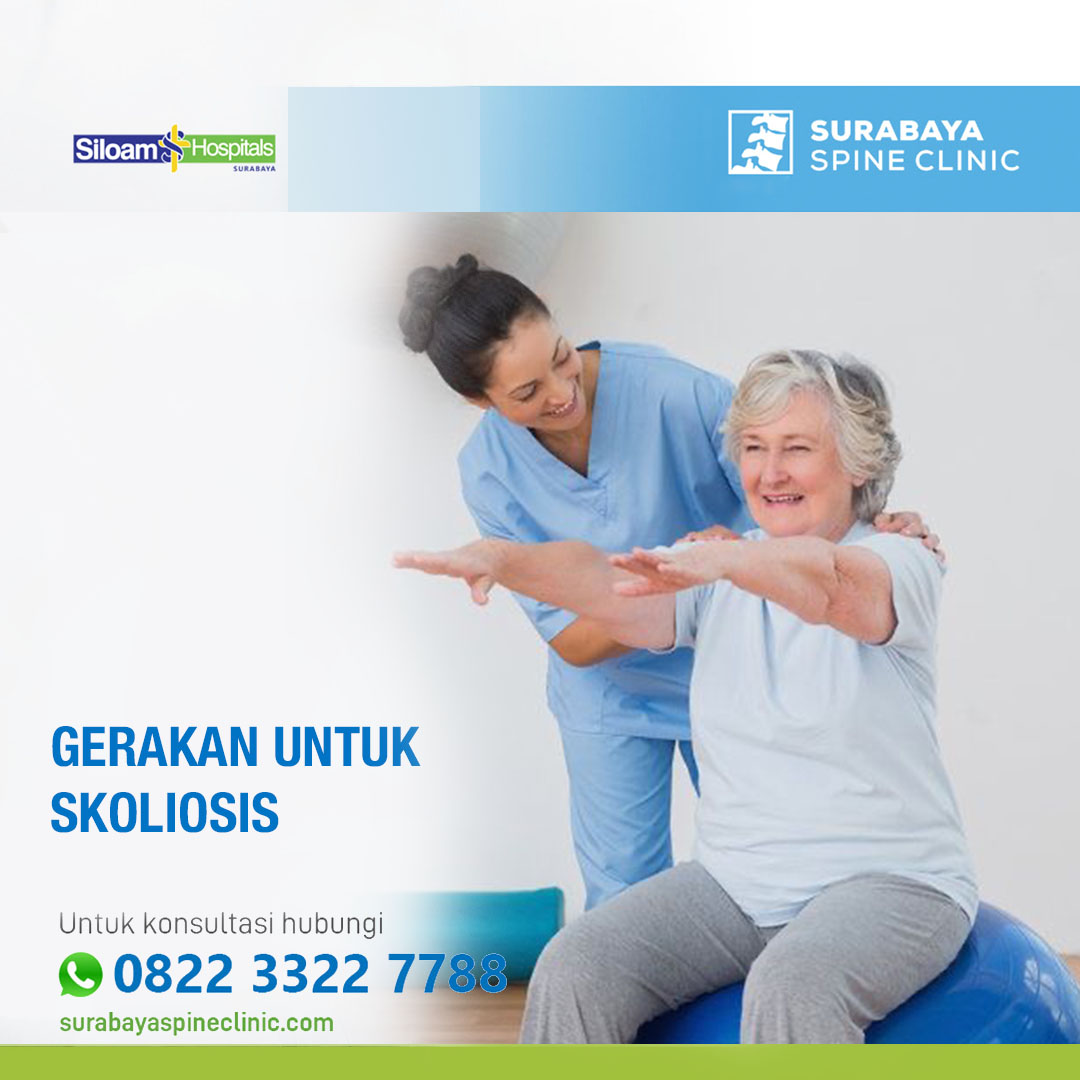
Understanding Scoliosis and Its Impact on Exercise Movements
Scoliosis is a condition characterized by an abnormal lateral curvature of the spine. While it can vary in severity, scoliosis often affects posture, mobility, and overall quality of life. When considering exercise movements, it's crucial to understand how scoliosis can influence muscle imbalances, flexibility, and range of motion.
Benefits of Optimizing Exercise Movements for Scoliosis Relief
Optimizing exercise movements tailored to scoliosis can offer numerous benefits. These include improved spinal alignment, increased muscle strength and flexibility, reduced pain and discomfort, enhanced posture, and overall better spinal health. By focusing on specific exercises and techniques, individuals with scoliosis can manage their condition more effectively and improve their daily functioning.
Common Exercise Mistakes to Avoid for Individuals with Scoliosis
Individuals with scoliosis should be cautious of certain exercise mistakes that can exacerbate their condition. These may include performing high-impact activities without proper form, neglecting core strengthening exercises, overstretching or overloading the spine, and ignoring pain signals during workouts. Avoiding these mistakes can help prevent injury and promote better spinal alignment.
Key Principles to Consider When Optimizing Exercise Movements for Scoliosis Relief
When designing an exercise routine for scoliosis relief, several key principles should be kept in mind. These include focusing on balance and symmetry, targeting core stability and strength, incorporating both stretching and strengthening exercises, maintaining proper alignment throughout movements, and progressing gradually to avoid overexertion. Adhering to these principles can maximize the effectiveness of the exercise program while minimizing the risk of aggravating scoliosis.
Recommended Exercises for Scoliosis Relief
Certain exercises have been found to be particularly beneficial for individuals with scoliosis. These may include Pilates, yoga, swimming, tai chi, and specific strength training exercises targeting the core, back, and stabilizing muscles. Additionally, exercises that promote spinal flexibility, such as cat-cow stretches and thoracic rotations, can help alleviate tension and discomfort associated with scoliosis.
Incorporating Proper Form and Technique into Your Exercise Routine
Proper form and technique are essential when performing exercises for scoliosis relief. Maintaining a neutral spine, engaging the core muscles, and avoiding excessive twisting or bending of the spine are crucial elements to focus on. It's recommended to start with lighter weights and gradually progress as strength and stability improve. Consulting with a certified fitness instructor or physical therapist can help ensure correct form and technique are maintained throughout the workout.
Seeking Professional Guidance for Customized Exercise Programs
For individuals with scoliosis, seeking professional guidance from a physical therapist or certified personal trainer experienced in working with spinal conditions is highly recommended. These professionals can assess the individual's specific needs and create a customized exercise program tailored to their unique situation. Additionally, they can provide guidance on proper technique, exercise modifications, and progression to ensure safe and effective workouts.
Tools and Equipment That Can Aid in Optimizing Exercise Movements for Scoliosis Relief
Certain tools and equipment can assist individuals with scoliosis in optimizing their exercise movements. These may include stability balls, resistance bands, foam rollers, yoga blocks, and Pilates reformers. These tools can help improve stability, increase flexibility, and provide support during exercises, enhancing overall effectiveness and comfort.
Tracking Progress and Making Adjustments to Your Exercise Routine
Regularly monitoring progress and making adjustments to the exercise routine are essential components of managing scoliosis through exercise. Keeping track of improvements in strength, flexibility, and pain levels can help individuals gauge the effectiveness of their workouts. It's important to listen to the body and modify the routine as needed to accommodate any changes or limitations.
Conclusion: Embracing the Journey Towards Scoliosis Relief Through Optimized Exercise Movements
Incorporating targeted exercise movements into a daily routine can be a powerful tool in managing scoliosis and improving overall spinal health. By understanding the impact of scoliosis on exercise movements and following key principles for optimization, individuals can experience relief from pain, improved posture, and enhanced quality of life. With proper guidance, dedication, and patience, the journey towards scoliosis relief through exercise can be both empowering and rewarding.