The coccyx, or tailbone, is a vital part of the spine's anatomy. Comprising three to five fused vertebrae, it anchors several muscles and ligaments, providing stability to the pelvic region. The tailbone aids in weight distribution while sitting and supports the body's movements. Its health is crucial for maintaining overall comfort and mobility.
Common Causes of Tailbone Pain and Discomfort:
1. Trauma or Injury:
- Falls, especially on hard surfaces, can lead to bruising or fractures of the tailbone.
- High-impact activities or accidents may cause trauma to the coccyx, resulting in pain.
2. Prolonged Sitting:
- Sitting for extended periods on hard surfaces or in poor ergonomic positions can lead to pressure on the tailbone, causing discomfort.
3. Childbirth:
- During childbirth, the pressure exerted on the coccyx can result in postpartum tailbone pain for women.
4. Degenerative Conditions:
- Conditions such as arthritis can affect the tailbone over time, leading to chronic pain and discomfort.
Ergonomic Adjustments for Sitting at a Desk:
1. Proper Chair Height:
- Adjust your chair to a height where your feet rest flat on the floor, promoting optimal blood circulation and reducing pressure on the tailbone.
2. Desk Height:
- Ensure your desk is at a suitable height to prevent leaning forward or slouching, maintaining a neutral spine position.
3. Posture Awareness:
- Sit with your back straight, shoulders relaxed, and head in a neutral position to minimize strain on the tailbone and spine.
Choosing the Right Chair for Optimal Tailbone Support:
1. Ergonomic Chairs:
- Select chairs with lumbar support to maintain the natural curvature of the spine and reduce pressure on the tailbone.
2. Cushioned Seats:
- Chairs with well-padded seats provide a comfortable surface, acting as a buffer for the tailbone.
Using Cushions and Pillows for Tailbone Relief:
1. Donut Cushions:
- These cushions, with a central opening, relieve direct pressure on the tailbone, ideal for those experiencing pain or discomfort.
2. Coccyx Cushions:
- Shaped specifically to support the tailbone, these cushions offer additional comfort on various seating surfaces.
Stretching Exercises for Tailbone Pain Prevention:
1. Cat-Cow Stretch:
- Engage in gentle spinal flexion and extension to alleviate tension in the lower back and tailbone area.
2. Child's Pose:
- Kneel on the floor, sit back on your heels, and stretch your arms forward, promoting flexibility and relaxation.
3. Pelvic Tilt:
- Lie on your back, bend your knees, and gently tilt your pelvis upward, strengthening the core and reducing pressure on the tailbone.
Tips for Maintaining Good Posture and Body Mechanics:
1. Core Strengthening:
- Incorporate exercises that target the core muscles to provide additional support for the spine.
2. Breaks and Movement:
- Take regular breaks to stand, stretch, and walk, preventing stiffness and reducing pressure on the tailbone.
Alternative Seating Options for Tailbone Health:
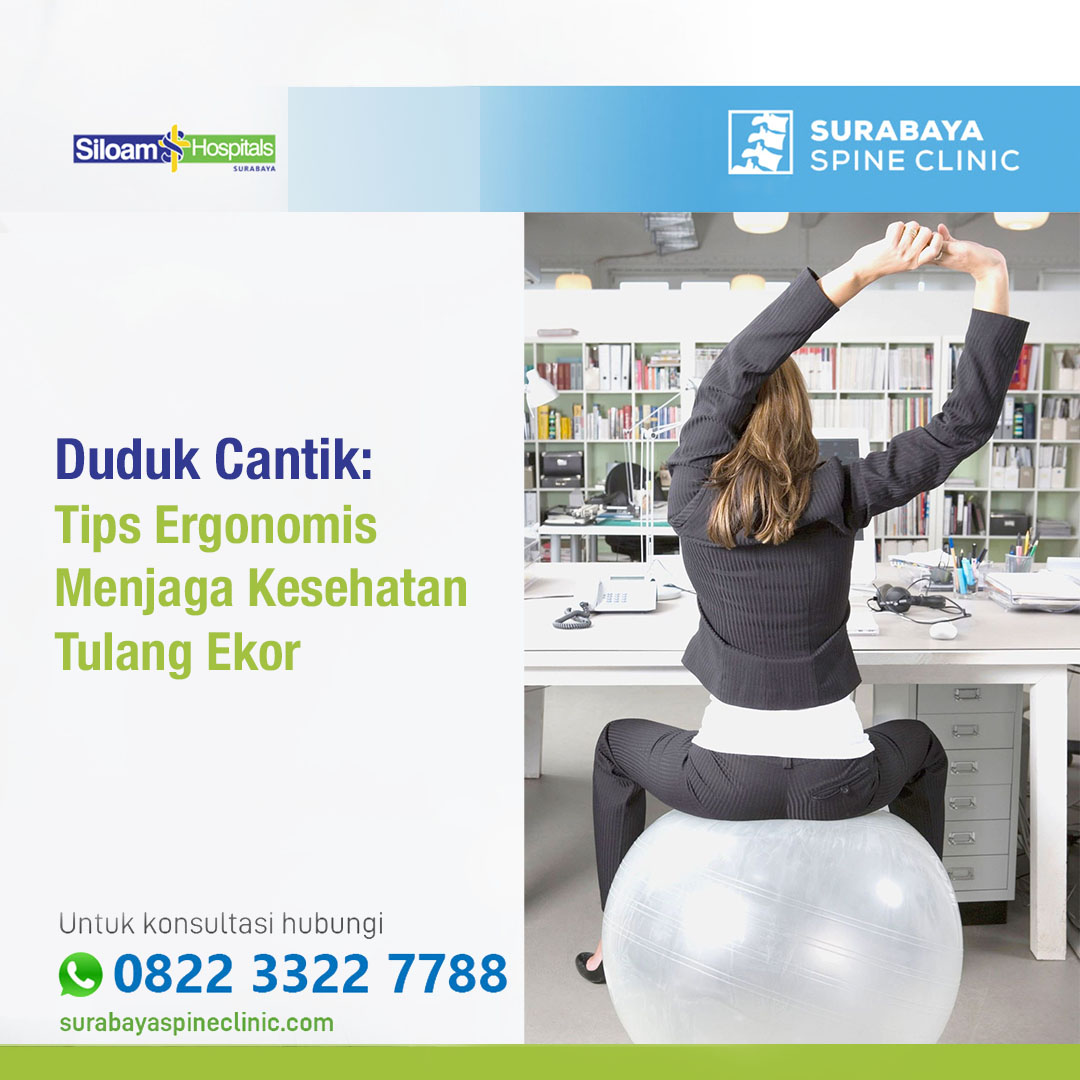
1. Exercise Ball Chairs:
- These promote active sitting, engaging core muscles and reducing static pressure on the tailbone.
2. Kneeling Chairs:
- By shifting weight to the knees, these chairs minimize pressure on the tailbone and encourage a more upright posture.
Conclusion: Taking Care of Your Tailbone for Long-term Health and Comfort:
Prioritizing tailbone health involves a comprehensive approach, including ergonomic adjustments, proper seating choices, targeted exercises, and maintaining good posture. By integrating these strategies into daily life, individuals can prevent discomfort, reduce pain, and promote long-term well-being for the tailbone and overall spinal health.