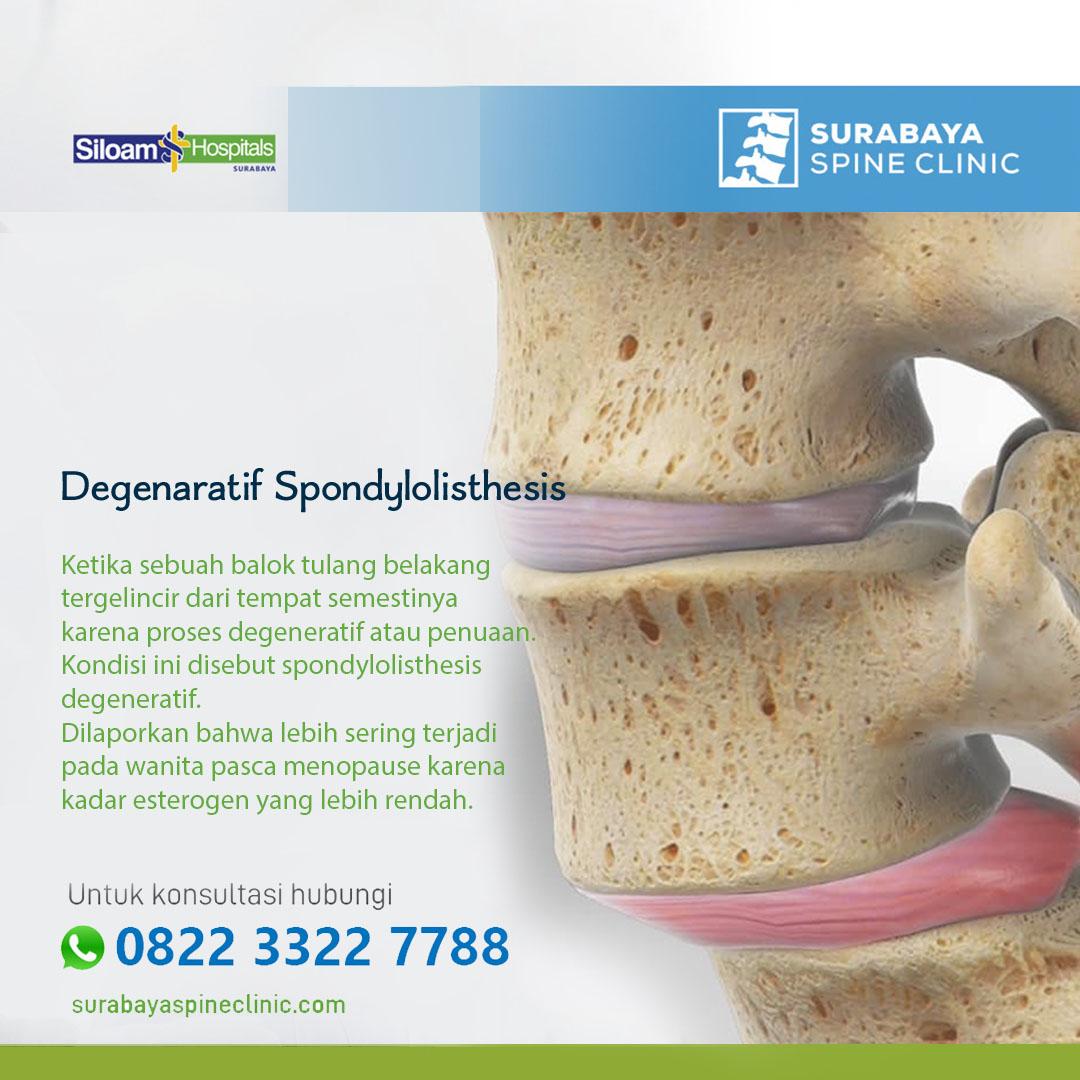
What is Spondylolisthesis?
Spondylolisthesis is a spinal condition in which one vertebra slides forward or slides forward from its normal position. It usually occurs at the bottom of the spine, close to the hips. This can be caused by a number of factors, and this shift in the spine can affect the balance and stability of the spinal structures.
Causes of Spondylolisthesis:
Spondylolisthesis can be caused by a variety of factors, including:
Natural Imbalance: Some people have congenital weakness in the parts of the bones that connect the spine.
Injury or Trauma: Fractures or other injuries can cause the spine to move.
Overstress: Sports or physical activities that involve repeated stress on the spine can cause it to shift.
Natural Degeneration: Aging and conditions like osteoarthritis can cause changes in the spine.
Medical Conditions: Several congenital disorders or structural disorders can affect spinal stability.
Spondylolisthesis Grade:
Spondylolisthesis is grouped according to the degree of displacement of the spine:
Grade 1: Less than 25% shift.
Grade 2: Shift between 25-50%.
Grade 3: Shift between 50-75%.
Grade 4: Shift between 75-100%.
Grade 5: Shift of more than 100%, also known as spondyloptosis.
Spondylolisthesis Symptoms:
Spondylolisthesis symptoms vary based on the degree of displacement and the impact on the spinal cord. Common symptoms include:
Lower back pain that can radiate to the hips or thighs.
Difficulty standing straight or walking.
Discomfort when moving or doing certain activities.
Numbness, numbness, or weakness in the legs.
Diagnosis and Treatment:
Diagnosis involves a medical evaluation, physical exam, and imaging such as an X-ray or MRI. Treatment depends on the degree of shift and symptoms, and may include:
Pain Management: Pain medication and physical therapy.
Physical Therapy: Exercises to strengthen the supporting muscles of the spine.
Surgery: In severe, nerve-affecting cases, surgery may be needed for stabilization.